Why Preventive Maintenance is more beneficial than Reactive Repairs for UK fleets
 10/02/2026
 5 minutes read
Roadworthiness and vehicle reliability is at the core of every fleet manager’s decision making.
Whether you manage a fleet or hire vehicles for short-term use, the way maintenance is handled has a direct impact on costs, safety, and operational efficiency. This is where the difference between preventative maintenance and reactive repairs can have the most impact.
The importance of regular maintenance
Regular maintenance plays a key role in reducing breakdowns and extending vehicle lifespan. Well-maintained vehicles are far less likely to suffer from unexpected failures that disrupt schedules and increase costs.
Did you know? Fleet operators who prioritise regular servicing and maintenance schedules see annual fuel savings of up to 15% per vehicle (source).
What is Preventative Maintenance & Reactive Repairs?
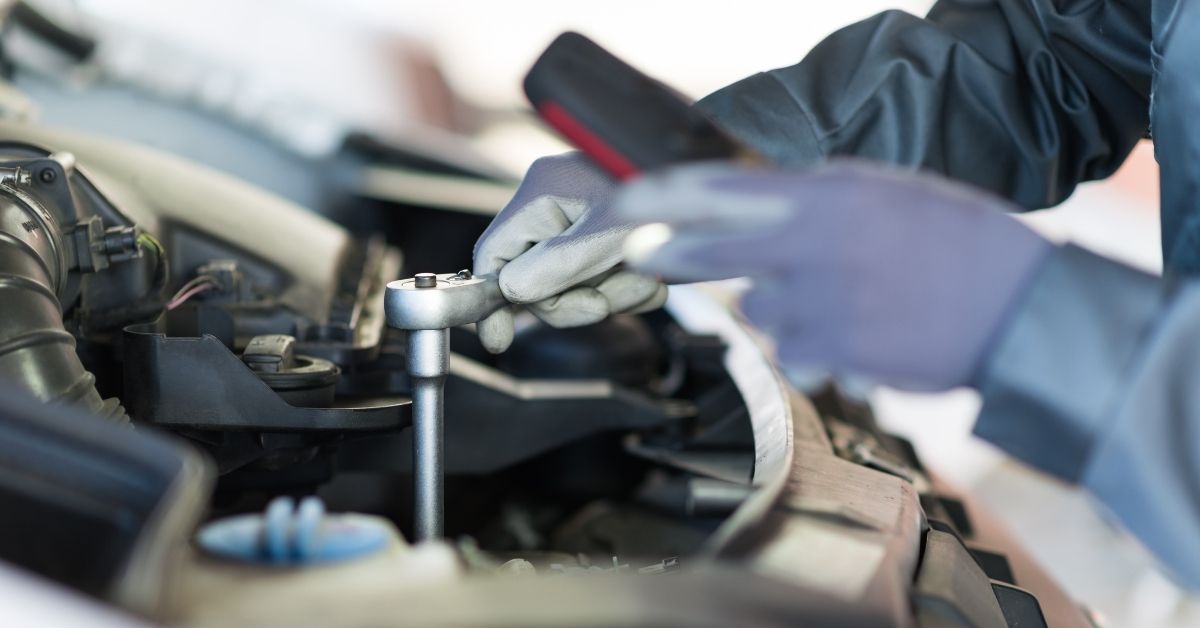
Preventative maintenance refers to planned, routine servicing carried out at set intervals.
This includes inspections and the replacement of worn parts before they fail to identify and address minor issues early before they become costly problems.
Reactive repairs take place only after a major fault or breakdown has occurred instead of anticipating issues beforehand.
Whilst this approach may appear cheaper in the short-term, it can lead to higher costs, lengthy downtime, and increased risk long-term.
When would Preventative Maintenance or Reactive Repairs be used?
Preventative maintenance is most beneficial for vehicles that are used regularly or form part of a working fleet, where reliability is essential. It allows issues to be scheduled and managed with minimal disruption.
Reactive repairs may be unavoidable in certain situations, such as unexpected damage or rare component failures. However, relying solely on reactive repairs as a maintenance strategy is rarely effective for vehicles that need to remain consistently available – especially large fleets.
Benefits of Preventative Maintenance
Preventative maintenance (PM) offers a range of long-term advantages.
Industry studies have shown that regular maintenance can reduce parts and workshop repair expenses by 30% or more (source) and approximately 50% of all MOT failures can be easily prevented with thorough preventative maintenance (source).
To recap, key benefits of PM include:
- Reducing the risk of major failures.
- Long-term financial benefit of avoiding expensive emergency repairs.
- Reduces unexpected downtime so your vehicles are available when needed most.
- Improves safety by ensuring key systems are regularly checked and functioning.
- Extends vehicle lifespan.
Cons of Reactive Repairs
Reactive repairs can cost your business up to three times more than planned maintenance. Unplanned downtime alone can consume as much as 60% of maintenance budgets, while repeat faults account for around 25% of all breakdowns. (source).
We will help you:
- Higher long-term costs due to emergency repairs and secondary damage
- Unplanned downtime, disrupting operations and schedules
- Increased safety risks when faults occur unexpectedly
- Shorter asset life caused by unchecked wear and tear
- Potential production or service losses when vehicles are off the road
Hire with the Rental Company of the Year (WhatVan? Awards 2026)
Northgate hire options come with service, maintenance and 24/7 breakdown included as standard meaning everything is wrapped up into one simple regular payment. Simply choose your ideal vehicle, add optional features, and enjoy a complete hire package keeping your fleet in top condition with no hidden costs.
Our 52 workshops nationwide help us be the single, trusted partner for servicing and repairs that you need. By reducing the need for third-party providers, we keep fleets on the road for longer and deliver faster turnaround times for our customers.
Beyond standard ICE and EV maintenance, our technicians are trained to deliver services such as tail lift servicing and windscreen repair in-house.